When Australians talk about the largest jackpot ever paid, the conversation usually drifts back to those legendary pub and RSL pokies nights where a single spin turned a quiet arvo into a life-altering moment. I’ve spent twenty-five years inside gaming operations and another three decades building creative products across slots and platforms, so I know the difference between a flashy headline and a payout that actually lands. The record amounts that still get quoted around Western Sydney gaming rooms weren’t conjured by magic; they were the result of progressive networks, stacked denominations, and players who understood the mechanics well enough to keep playing responsibly. If you’re weighing how those historic wins connect to what’s available today, you’ll want to compare timing against notes on Perth gambling forums, where slow transfers get flagged fast. The reality is that chasing history means understanding the machine, the network, and your own limits before you spin.
How progressive networks built the record
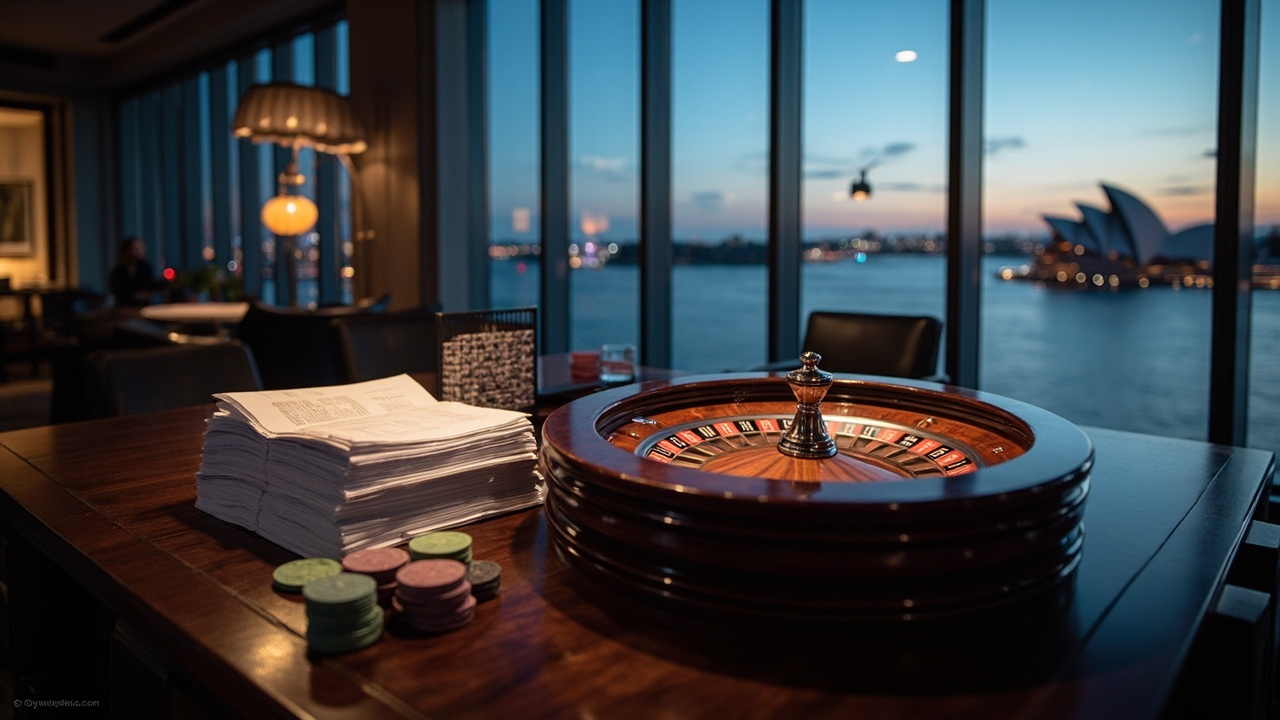
The largest jackpot ever paid didn’t arrive on a single standalone cabinet. It grew out of linked progressive systems where a small slice of every wager fed a shared pool, sometimes across multiple venues, sometimes across an entire network. Back when Scientific Games rebranded as Light & Wonder, the engineering behind those pooled jackpots shifted toward tighter seed management and more predictable trigger thresholds, which is exactly the kind of infrastructure decision I’ve judged across platform development work. A practical example for an ordinary Australian reader: if you’re dropping $2 coins on a 20-line setup, you’re contributing to a pool that might sit idle for weeks, then climb quickly once a busy regional club hits its evening rush. The maths doesn’t care about luck alone; it cares about volume, denomination, and how the network routes contributions.
That’s why the historic payouts that still get talked about in Western Sydney clubs came from machines that balanced high denominations with broad participation. A player who understood the contribution rate, the seed value, and the volatility wasn’t just hoping for a miracle; they were watching a pool that had been building under very specific conditions. I’ve seen creative teams pitch oversized top prizes without modelling the contribution curve, and the result is always the same: the headline looks great, but the trigger mechanics don’t hold up under real play. The record amounts that matter are the ones where the network design, the denomination structure, and the player behaviour all lined up on the same night.
What that history means for today’s interface and localisation
Modern pokies platforms carry that legacy into the way they present jackpots, but the experience now lives in the details of navigation, currency, and everyday usability. A player opening a platform should immediately see the jackpot tier in Australian dollars, with clear contribution indicators and a straightforward path to the game rules. I’ve judged interface work where the visual identity shouted big wins but buried the actual payout structure behind layers of animation, and that’s a poor trade-off for anyone who wants to make a sensible decision. Good localisation means the language, the currency formatting, and the search results all reflect what an Australian player actually expects, without forcing them to translate terms or guess at denominations.
The everyday usability piece matters more than most operators admit. If you’re scanning a lobby after work, you want search results that surface jackpot tiers first, clear provider tags, and a registration flow that asks for the right details without friction. I’ve built creative-industry products where the onboarding felt polished but hid the real mechanics behind vague labels, and that kind of structure does players a disservice when they’re trying to understand what they’re actually playing. A platform that respects the player shows the jackpot contribution rate, the seed value, and the game rules in plain English, with currency locked to dollars and support contact details easy to find. That’s the kind of design that turns a historic concept into something usable on a Tuesday evening.
Reading the screen before you commit
The visual identity should tell you what the jackpot actually is before you commit a single credit. A clear top-prize display, a visible progress indicator where the network supports it, and a rules panel that explains the trigger conditions are the baseline. I’ve reviewed creative concepts where the animation carried the whole pitch and the actual payout information lived three taps deep, which is a poor choice for anyone trying to make a measured decision. When the screen leads with the prize but explains the mechanics just as clearly, you can weigh the contribution rate against your own session plan instead of guessing. spin reels with gates of olympus
Navigation and currency that match the player
Navigation needs to surface the right games without making you hunt through irrelevant categories, and the currency needs to stay consistent from registration through to the balance screen. A player in Western Sydney doesn’t want to reinterpret a foreign denomination or wade through a menu that mixes demo modes with real-money titles without clear labels. I’ve seen platform structures where the search bar returned provider names before jackpot tiers, which is the wrong priority for anyone tracking a progressive pool. When the structure mirrors what the player is actually looking for, the experience feels calm rather than busy, and the decision to play becomes a choice rather than a scramble.
Weighing the record against your own play
The largest jackpot ever paid is a benchmark, not a promise, and the way it connects to your own session comes down to how you read the mechanics on the screen. If you’re comparing a modern progressive title with those historic payouts, the question isn’t whether you can recreate the moment; it’s whether the pool, the denominations, and your own budget line up in a way that feels sensible. I’ve made judgement calls across platform development where the top prize looked enormous on paper but the contribution curve meant most sessions never touched the trigger threshold, and that’s the kind of detail a player should know before they sit down. The record is worth understanding because it shows what a linked network can do, not because it suggests a shortcut.
For an ordinary Australian reader, the practical takeaway is simple: treat the jackpot tier as information, not as a plan. Check the contribution rate, note the seed value if the platform displays it, and decide your session limit before you spin reels with gates of olympus because a clear limit is the only thing that keeps a historic concept from turning into a costly evening. The pub and RSL pokies culture that produced some of those record nights ran on community, visibility, and a shared understanding of the machine; the online version should respect that same discipline, with clear rules, honest displays, and support that’s easy to reach when you need it. No one can guarantee a payout, and the record amounts that still get quoted were built over time under very specific conditions, but a player who understands the network can approach the game with their eyes open.
The largest jackpot ever paid remains a useful reference point because it reminds us that progressive pools are built by volume, denomination, and network design, not by wishful thinking. If you’re weighing a modern title against that history, focus on the interface, the localisation, and the mechanics that sit behind the headline, then decide whether the game fits the way you actually want to play.
